Damp Proofing in Washington
Most of Washington was built between the mid 1960s and the 1980s as a new town, so the housing in Concord, Oxclose, Columbia, Biddick, Glebe and Blackfell is cavity-walled and has a proper damp course. That changes what damp looks like here. Rising damp is rare; condensation, mould, failed render and wet insulation are common. Washington Village and Fatfield are older, with stone and brick cottages that behave more like a Durham terrace. We cover all of it with fixed quotes and no travel charges.
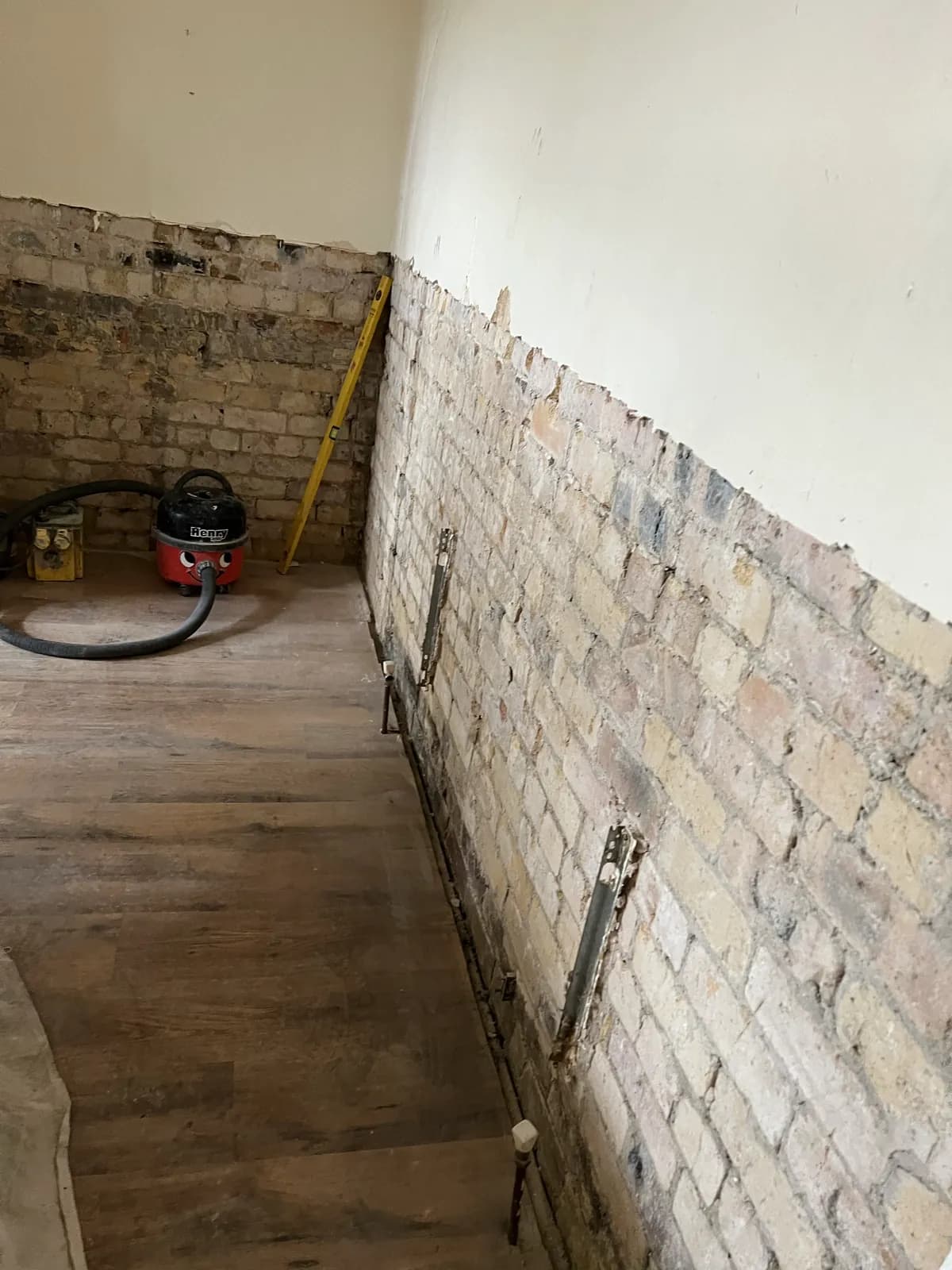
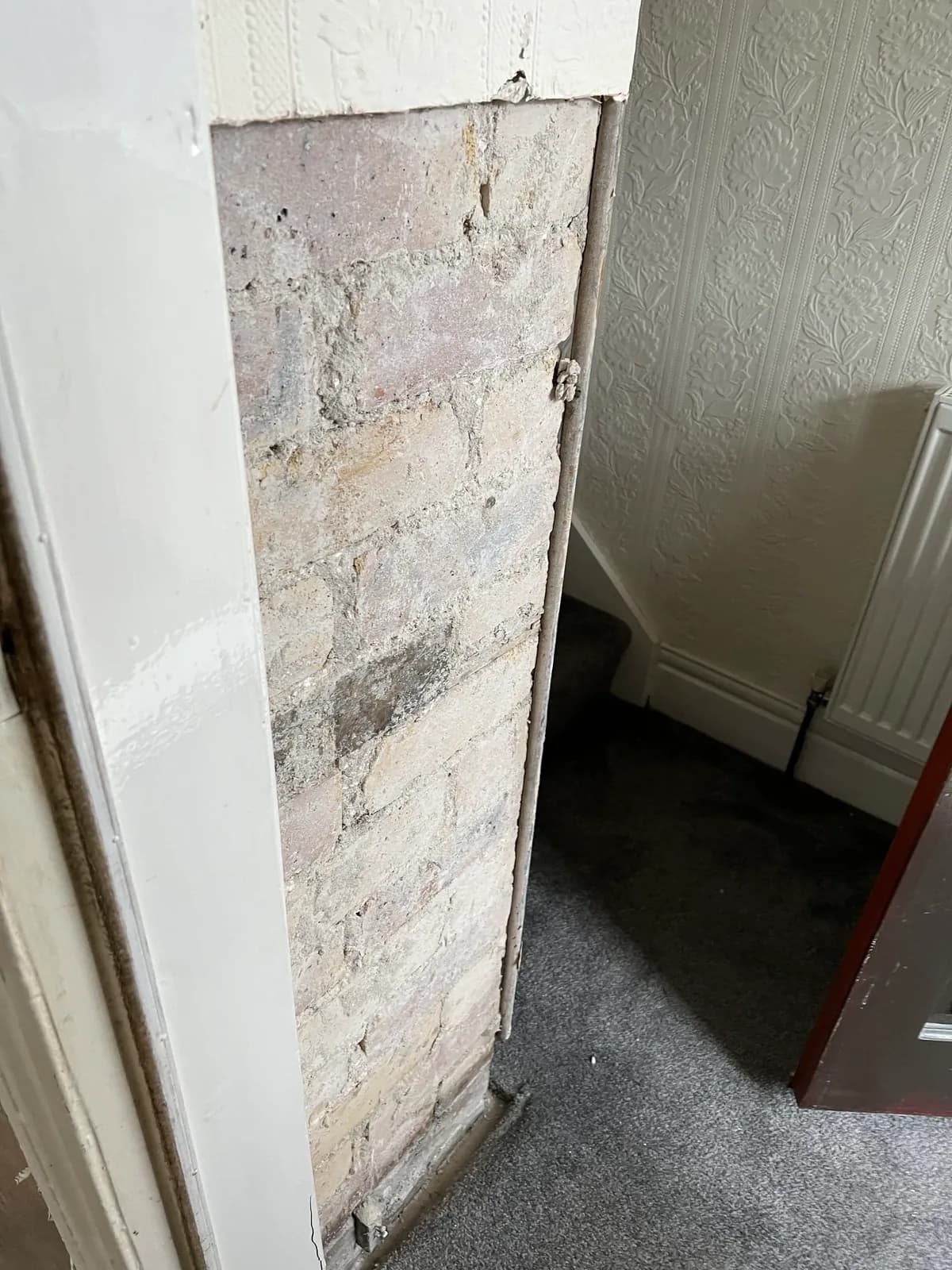
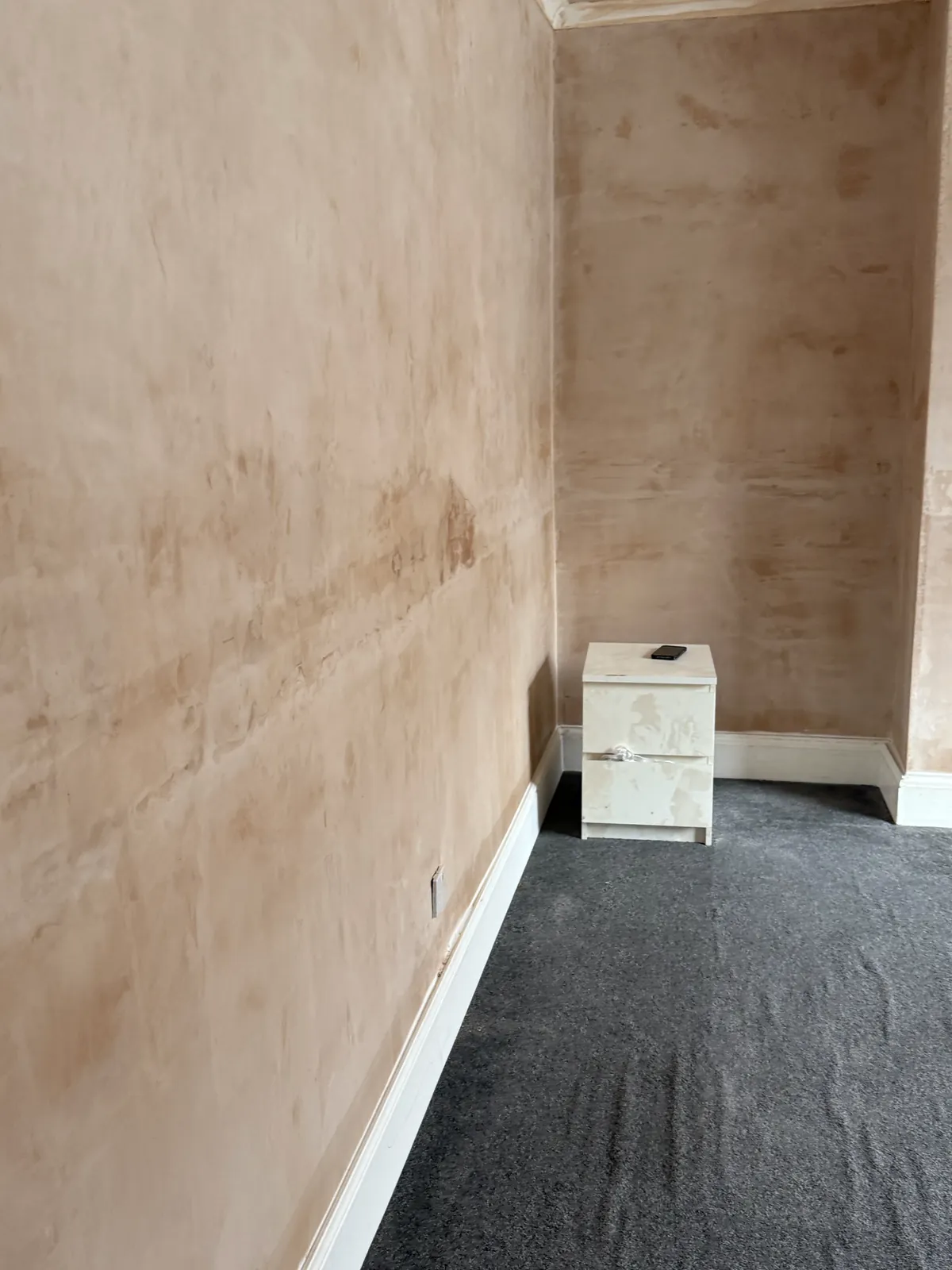
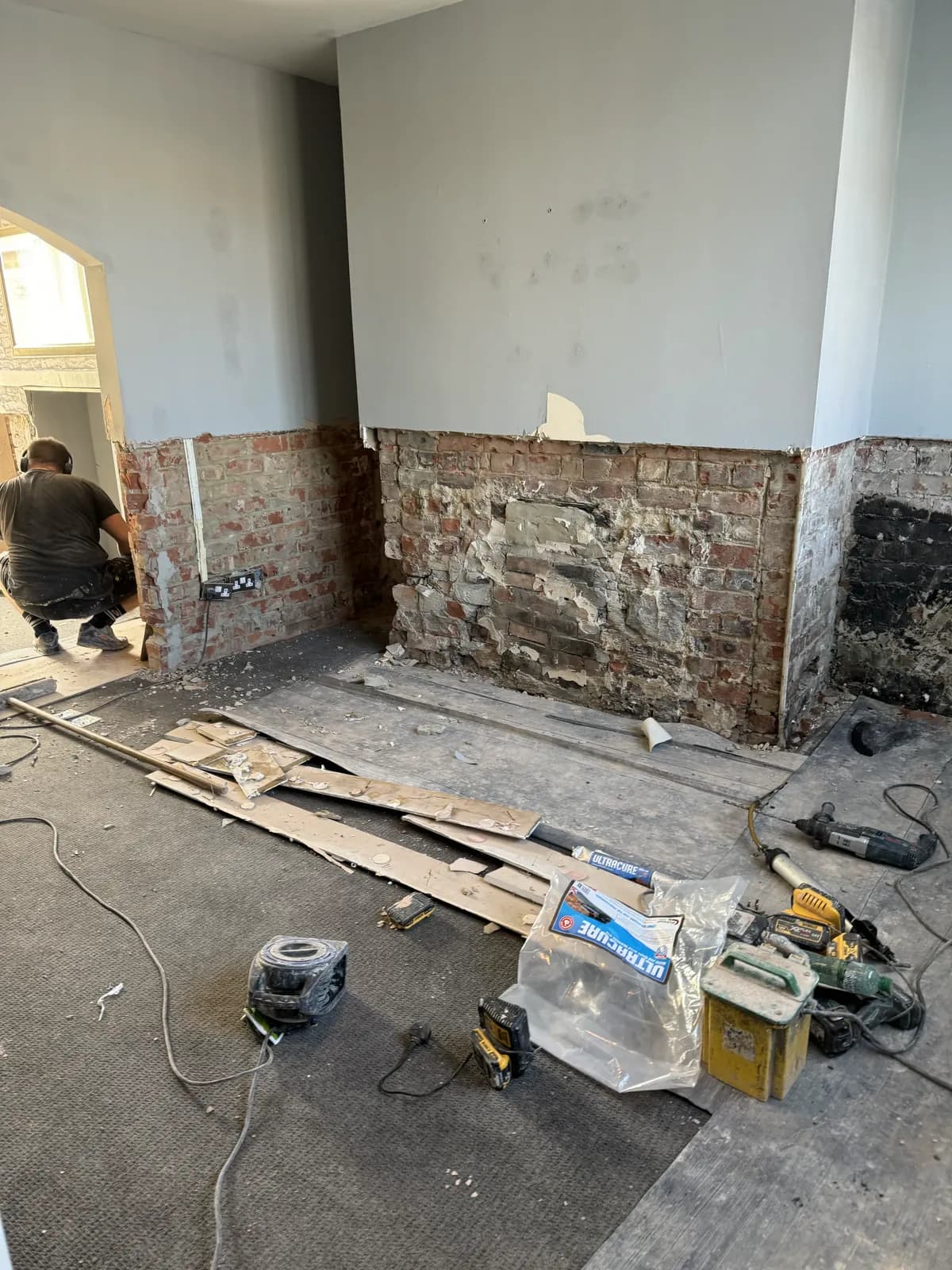
Damp in Washington homes
In the new town villages the call is nearly always mould and condensation: black spotting in bedroom corners, behind wardrobes on north walls, around window reveals and in bathrooms with no extractor. The houses are well built but a lot of them have had their vents blocked, their windows replaced without trickle vents and their heating run low, and the moisture has nowhere to go. We treat the mould, replaster where the finish has been ruined and advise plainly on ventilation and heating, because a damp course would do nothing for this.
Some Washington homes of the 1960s and 70s used system-built and timber-framed construction with rendered or panelled finishes, and where that render has cracked or the panels have aged, rain gets into the structure. Those need a careful survey rather than a quick fix, and the repairs are outside. Where cavity wall insulation was blown in later and has become wet, it can carry damp across to the inner leaf; we will tell you if that is what the readings show.
Washington Village, Fatfield and parts of Harraton and Usworth predate the new town, with stone and brick cottages, solid walls and old or absent damp courses. These are the Washington homes where we install chemical DPCs and renovation plaster, and where the outside pointing and ground levels matter as much as the wall inside.
Parts of Washington we cover
We work across the whole of Washington and the streets around it, including Concord, Oxclose, Fatfield, Columbia, Biddick, Glebe, Barmston, Blackfell, Harraton, Usworth, Springwell, Washington Village, Donwell, Albany and Lambton. There are no travel charges anywhere in City of Sunderland.
Mould, ventilation and the Washington house
Most of the damp calls we get in Washington are really about mould, and the first part of the job is working out why the moisture is not escaping. On the survey we check whether the bathroom and kitchen extractors actually move air, whether trickle vents in replacement windows are open or were never fitted, whether loft insulation is pushed into the eaves and blocking airflow, and which walls are coldest. A cheap thermometer or humidity reading in the worst room often tells the story before any meter goes on the wall. We also ask how the house is heated and used, because a house kept cool during the day and heated hard in the evening produces more condensation than one kept at a steady temperature.
Where mould has spoiled the decoration or broken down the plaster, we clean and treat the surface, cut out and replace any plaster or plasterboard that has softened, and finish it so it is ready to paint. On the coldest external walls, a lining of insulated plasterboard raises the surface temperature enough that condensation stops forming, which can be a better long-term answer than repeated treatment. We explain the choices and their costs so you can decide. In the end you choose how far to go, from simply treating the mould and repainting to lining the worst walls, and we will not push a bigger job than the problem needs. Most Washington houses only need the smaller end of that range once the ventilation is put right.
How we do damp proofing
The full process, step by step, and what it involves.
location_onOur Washington guide
The homes in Washington and the problems they tend to have.
photo_libraryCase studies
Real jobs written up: the problem, the work and the result.
menu_book5 warning signs you have rising damp
Our guide, written for homeowners.
Our 20-year guarantee
Where we install a damp proof course, you get a written 20-year guarantee against rising damp coming back through it, and it transfers to a new owner if you sell. For penetrating damp, condensation and the replastering that goes with them, our workmanship promise applies: if something we did is not right, we come back and sort it.
Damp Proofing jobs we have written up
Rated by customers across the North East on Checked & Vetted, MyBuilder and Google. Read the reviews.
Damp Proofing questions from Washington
It can help, especially in winter, but it treats the symptom rather than the cause. If the extractors are not working, the vents are closed or a wall is unusually cold, the moisture will keep building up. Fixing ventilation and the cold surfaces is what stops mould coming back for good.
Almost never in a Washington house. Furniture against an outside wall stops warm air reaching it, so the wall stays cold and condensation forms behind it. Moving the furniture a few centimetres from the wall and improving airflow usually helps a lot. We can treat the mould and repair the wall surface.
Yes. Stone walls in the older village are thicker and often have no damp course, so damp there can be rising, coming through the stone, or caused by a cold wall. They also need breathable materials rather than modern sealed ones. We survey them separately from the new town houses.
More of what we do in Washington
Damp Proofing near Washington
Need damp proofing in Washington?
Free, fixed quotes with no travel charges. The price we agree is the price you pay.
Get My Free Quote arrow_forward